Got a Breach Letter? The Fastest Response Is Rarely the One That Protects You
Abstract. Breach letters push households into fast decisions, but the costs surface months later, in a mortgage file, a tax return, or a service deposit nobody connects back to the letter.
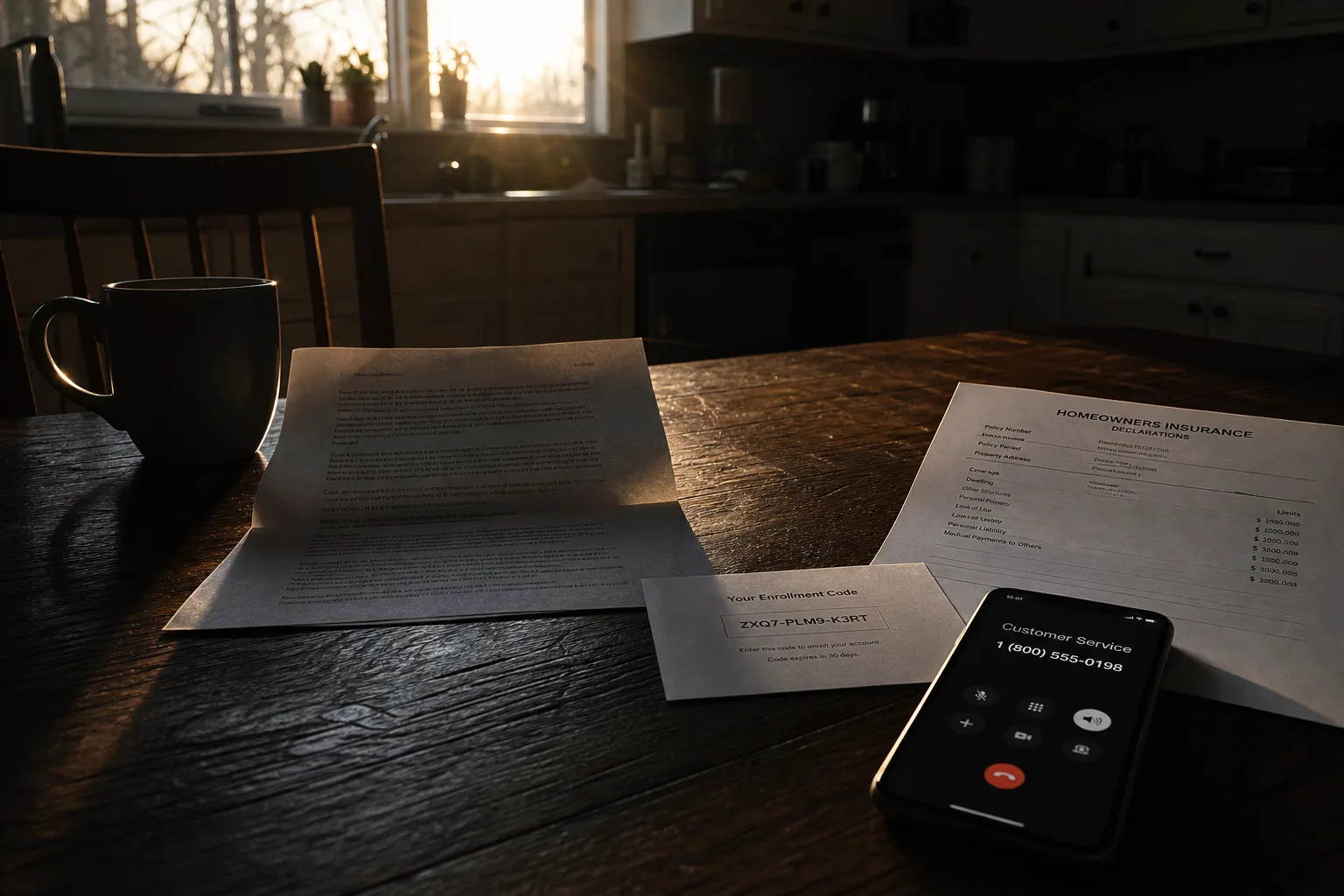
The letter is designed to be answered quickly. It arrives with an enrollment code, a deadline printed near the code, and a paragraph explaining that the company takes the security of your information seriously. Most households do the one thing the envelope invites, which is to enroll, and then treat the matter as closed. That is the wrong order, not because enrolling is harmful, but because the enrollment is the cheapest part of the response and the part the breached company chose for you. The expensive consequences arrive later, quietly, attached to transactions that have nothing obvious to do with the letter.
The week the letter arrives is the week you know least
A notification is written at a point when the sender's own investigation is usually incomplete, which is why the language runs to phrases like may have included and is believed to have been limited to. Categories get added in follow-up letters months afterward. A first letter that mentions name and email address can be succeeded by a second that mentions date of birth and Social Security number, and the household that reacted hard to the first one has already spent its attention. Acting fast on partial information means calibrating your response to the smallest version of the incident, then having nothing left when the real scope lands.
There is a second reason speed works against you. The remedies that matter most, a credit freeze at each bureau and an identity protection PIN from the IRS, are free, permanent in effect until you lift them, and available whether you act on Tuesday or three weeks from Tuesday. The remedies pushed at you by the letter tend to be time-limited and vendor-specific. Rushing reverses the priority, spending the household's one burst of urgency on the twelve-month monitoring subscription rather than on the two controls that outlast it.
Where the cost actually lands in a household
People imagine breach damage as a drained checking account, which is rare and, when it happens, is usually reversed by the bank inside a statement cycle. The ordinary version is duller and harder to trace. A refinance stalls because the lender's pull hits a file that was frozen and nobody remembers who holds the PIN. A tax refund is delayed because a return was already filed under that Social Security number. A utility account requires a deposit because a soft check turned up an unfamiliar address. A teenager's first car loan is priced oddly because a credit file exists that should not.
None of those events announces its cause. The mortgage officer says the file needs another week, the utility says the deposit is standard, and the household absorbs the cost as friction rather than as a consequence of a letter it received the previous spring. That is the risk transfer at the center of a breach: the organization that lost the data pays for postage, a call center, and a monitoring contract, while the household pays in deposits, delays, rate differences, and hours on the phone. Recognizing that shape is what makes a slower, more deliberate response rational.
Check who is offering to help, and check it the boring way
Breach notifications generate a second wave of contact within days: emails that mirror the letter's branding, calls from restoration specialists, and firms soliciting for a class action. Some are legitimate. Verification is not difficult, but it has to be done from your side of the connection rather than theirs. Call the company using the number on your statement or the back of your card, not the number in the letter, and ask whether the notification and the enrollment code are genuine. Most state attorneys general maintain a public list of breach notices submitted to them, and finding yours there settles the question in a few minutes.
Then look at what any credential actually vets. An attorney soliciting your participation is admitted to a state bar, and the bar publishes a searchable roster showing admission date and disciplinary history, which takes about a minute to check. A private investigator working an identity case holds a state license, issued by a licensing board or the state police depending on where you live, and that license is also searchable. A monitoring vendor holds no license at all, and its badges refer to data center audits rather than to anything about your file. The Federal Trade Commission oversees identity theft reporting and recovery guidance for consumers, and its process costs nothing.
Read the enrollment terms as a contract, because that is what it is
The free year of monitoring is a purchase at a price of zero, and it comes with the ordinary furniture of a purchase. There is often a card on file for the conversion to paid service at the end of the term, a renewal notice that arrives by email in month eleven, and a set of terms that may include an arbitration clause and a class action waiver governing disputes with the monitoring vendor. Read for those three things specifically: what happens at month twelve, what you have agreed to give up, and what the identity theft insurance rider excludes. That rider typically reimburses documented out-of-pocket costs, not time.
Check the coverage you already own before buying more. Many homeowners and renters policies carry an identity fraud endorsement, often for a small annual premium, and the declarations page will name it. Some credit cards and credit unions include restoration case management as a membership benefit. Households routinely end up paying twice, once through the policy and once through a subscription bought in a hurry, and a single call to your agent resolves which one is in force. Doing that call in week three rather than day one costs nothing and clarifies everything.
Keep the letter itself. It is dated, it names the categories exposed, and it is the document that makes a later dispute with a lender, a bureau, or a tax authority coherent rather than a story. File it with the declarations page and the freeze PINs, and the next time a deposit or a delay appears without explanation, you will have the beginning of the trail rather than a vague memory of having enrolled in something.
Further reading
- . Breach Notices Arrive Earlier and Say Less. What That Changes About Your Costs.
- . The Notification Clock Slipped a Week. Where That Shows Up on the Invoice.
- . Got a Breach Letter and No Straight Answers? Who Wrote It, and Why Waiting Helps.
- . Breach Letter Over the Holidays? The Steps You Can Finish Sitting Down.