Windows Twenty Weeks Late? What That Dispute Needed Ten Years Ago, and Now
Abstract. A delayed custom window order shows how the line between a problem you handle yourself and one that needs an attorney has moved in ten years.
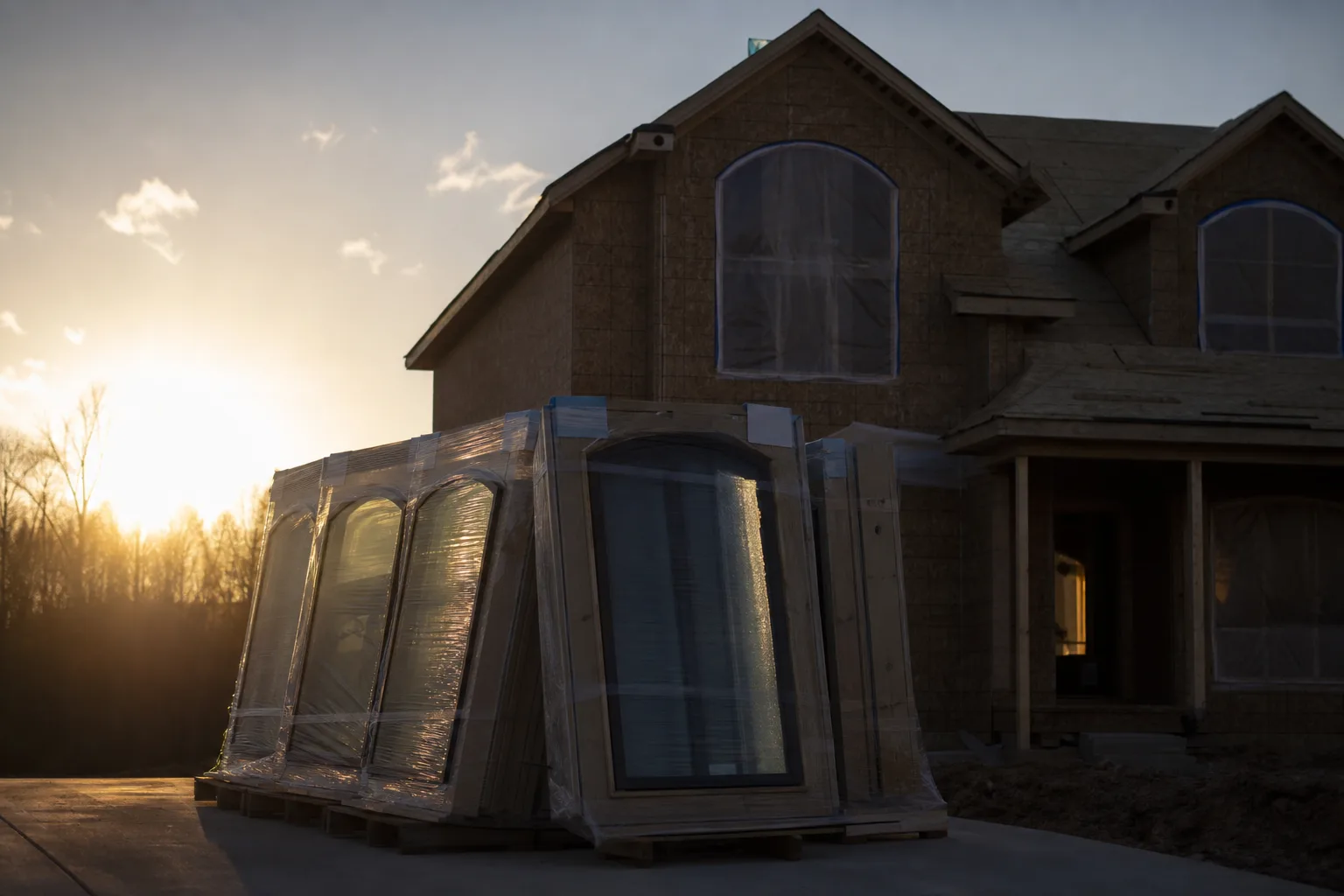
A custom window order slipping from ten weeks to twenty-two is not, on its face, a legal problem. It is a scheduling problem with a deposit attached. But the deposit is the part that decides everything downstream, because once half the order value has left the homeowner's account and the manufacturer has cut glass to size, the question stops being when the windows arrive and becomes who absorbs the cost of the framing crew, the siding crew, and the inspection window that all sat idle waiting on them.
The same order, handled twice
I have watched this dispute play out in two versions roughly a decade apart, same product category, same kind of dealer, same broad failure. In the earlier one, the homeowner learned about the delay from the general contractor, in a phone call, with no paper behind it. In the recent one, the homeowner learned it from a dealer portal that updated a ship date without explanation, and then from a text message from the project manager confirming what the portal already showed. That difference sounds cosmetic. It is not. It changed which party could prove what, and therefore which party needed a lawyer to get anywhere.
The earlier homeowner spent most of the dispute trying to establish that a date had ever been promised. The contract said the lead time was an estimate, the salesperson's verbal assurance had no witness, and the substitution offered midstream, a different frame material in a slightly different color, arrived as a suggestion rather than a written change order. Reconstructing that record took an attorney, billed hourly, doing work that produced no windows. The recent homeowner had the ship date history, the substitution offer, and the acceptance question sitting in a thread on a phone, timestamped, needing no reconstruction at all.
What the week-to-week reality looks like
Most of a supply delay is administrative, not adversarial. It is a Tuesday call to confirm nothing has changed, a Thursday email asking whether the manufacturer has released a firm ship date, and a Friday conversation with the crew lead about whether the framing openings can be closed up temporarily. Almost none of that benefits from counsel. What benefits from counsel is narrower and arrives suddenly: a demand for the remaining balance before delivery, a substitution presented as already decided, or a release that the dealer wants signed in exchange for a partial refund. Those are three sentences in a twenty-week correspondence, and they are the three sentences worth paying for.
The practical shift over ten years is that the routine part has become cheaper to do well and the sharp part has become cheaper to buy help on. Flat-fee document review, a single paid hour to read a change order, and unbundled representation that stops at a demand letter are all ordinary offerings now in a way they were not commonly advertised a decade ago. The Federal Trade Commission oversees unfair and deceptive practices in consumer transactions, and state consumer protection offices generally accept complaints online, which gives a homeowner a credible next step that costs nothing and often moves a stalled dealer.
Where the line actually sits
A problem stays self-serviceable while three things remain true: the money already paid is recoverable through the card issuer or the contract's own terms, the other side is still answering messages, and nobody has asked for a signature that gives something up. The recent case satisfied all three for about fourteen weeks. The homeowner ran it alone, kept every ship date change in one folder, declined the substitution in writing rather than by phone, and asked for the manufacturer's acknowledgment number so the delay could be verified upstream instead of taken on the dealer's word.
It crossed the line in week fifteen, when the dealer proposed a refund of part of the deposit conditioned on a release covering all claims arising from the order, including the downstream trade costs the homeowner had already incurred. That is the moment the arrangement changed shape. A release is priced by what it extinguishes, not by what it pays, and the trade costs on a stalled exterior job, restocking, remobilization, a rescheduled inspection, can exceed the deposit at issue. One consultation, with the folder in hand, produced a narrowed release limited to the window order itself and left the schedule claim intact.
What ten years changed, and what it did not
What changed is the evidence and the pricing of help. What did not change is the sequence. The party that documents the promise controls the negotiation, the party that signs first gives up the most, and the cost of a delay lands three weeks downstream on trades who never touched the contract. A homeowner who understands that will handle nineteen weeks of a twenty-two week problem without counsel and spend money only on the week that decides who pays.
The windows arrived in week twenty-three, in the specified material, with the framing openings still square.
Further reading
- . Asked Your Landlord for a Ramp and Been Refused? What the Legal Quote Actually Covers.
- . Winter Damage, Thin Proof? The Dated Records Someone Else Is Already Keeping for You.
- . Quoted an Hourly Rate? What That Number Is Attached To, Week by Week.
- . Quoted a Flat Fee for Legal Work? What That Number Is Actually Measured Against.